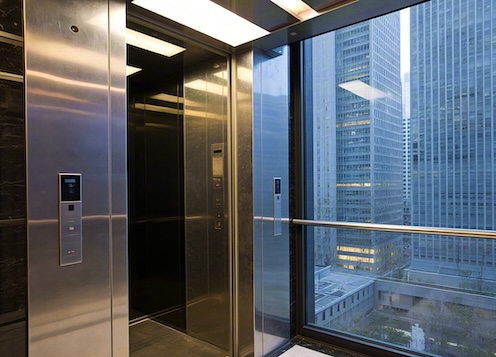
A 28 story office building located in a third tier city in southern China was supposed to upgrade its assets through elevators during the renovation process. However, due to a six-month procurement deadlock, it evolved into a three-way struggle between the developer, property management, and resident companies. Safety, efficiency, and cost have become the focus of the game, and this case reflects the systemic problems hidden behind the rapid expansion of China's elevator industry.
False prosperity of parameters
At the beginning of the project, 12 manufacturers eagerly bid, and various indicators sounded impressive: German traction machines, Japanese group control technology, IoT monitoring platforms, and even the so-called "industry's lowest energy consumption". However, after actual comparison, it was found that the calculation caliber for the rated load capacity was inconsistent, and the nominal speed could not be achieved on the 28th floor. The testing environment and methods were also different. A large amount of technical data may appear professional on the surface, but in reality, it leaves the evaluation team at a loss.
The price of low price
The final winning joint venture brand, which is 20% lower than the market price, has hidden concerns. The contract stipulates that designated parts must be used, sensors need to be replaced in advance, and the property management is forced to purchase a cloud platform. As a result, the maintenance cost in the first year was 40% higher than the quoted price, and the delayed delivery of parts caused a large number of complaints. Even during the fire drill, the elevator was shut down and people were trapped due to accidental contact with the device. The fact confirms a consensus: more than 60% of the total lifecycle cost of elevators is maintained in the later stage, and projects that are awarded at a low price are likely to experience budget overruns.
The Illusion of Intelligence and Energy Efficiency
The energy-saving certification provided by manufacturers is mostly obtained under no-load conditions, and the energy consumption under actual use is far from that under full load and light load; Intelligent scheduling claims to be advanced, but overly relies on historical passenger flow data. Once there is a sudden influx of people, it frequently fails, resulting in long waiting times and system failures.
Return to rational choice
The deadlock ultimately ended with a change of supplier. The new plan abandons the parameter "arms race" and emphasizes three aspects: customized design based on building characteristics, introduction of transparent full cost models, and establishment of localized emergency response mechanisms. After the renovation, the elevator's operating efficiency increased by 35%, maintenance expenses decreased by 22%, and it received full marks in safety inspections.
New Trends in the Industry
Experts suggest that future elevator procurement should adopt a "demand cost risk" assessment framework, placing greater emphasis on manufacturers' local service capabilities, parts supply speed, and actual operational data. The market no longer needs empty 'best solutions', but personalized choices that are highly matched with building needs. The controversy caused by the renovation of office buildings may mark the beginning of the industry's gradual return to rationality.