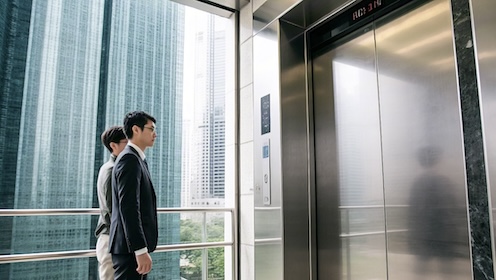
In modern cities, elevators are not only tools for going up and down stairs, but also carry safety and efficiency. The number of elevators in China has exceeded 10 million, serving billions of elevator demands every day. However, data from 2023 shows that 63% of failures are due to improper maintenance, indicating that ensuring elevator safety requires dual support from technological innovation and institutional constraints.
Technical escort: safety and efficiency
Modern elevators adopt multi-layer safety protection: when overspeed occurs, the speed limiter is linked to the safety caliper for emergency braking, the buffering device absorbs the impact, and the IoT system monitors in real time and provides early warning. Some brands have introduced AI maintenance systems, which can reduce failure rates by 40% by analyzing millions of operational data. Display technology is a key guarantee for safety.
Institutional responsibility: Management is indispensable
Technology requires institutional cooperation. The operation of a residential building beyond the deadline resulted in passenger injuries, exposing the lack of property management, maintenance, and supervision. It is crucial to establish a full chain responsibility system of "production use maintenance supervision", such as linking elevator insurance system with maintenance quality, or using blockchain to record the repair process and achieve full traceability.
Safety Culture: Public Awareness
Human factors also affect safety. A survey shows that many passengers in distress do not use distress devices, and parents do not prevent their children from jumping in elevators. A community in Shanghai trained residents through the "Elevator Safety Experience Day" and reduced the accident rate by 75%. Safety requires everyone to transform from a 'bystander' to a 'guardian'.
Intelligent Governance: Digital Collaboration
Hangzhou has deeply integrated the elevator IoT platform with the urban supervision system. When the wear and tear of the steel wire rope exceeds the standard, the system automatically dispatches workers and synchronously feedbacks to the street supervision end, shortening the response time for serious faults to 15 minutes. The elevator safety credit code in Beijing converts maintenance and complaint situations into dynamic scoring, promoting enterprises to shift from low price competition to service competition, and synergizing technology and systems to improve urban safety levels.
Human centered safety concept
True elevator safety is not only about preventing malfunctions, but also about improving emergency response, reflecting humanized care, and continuously optimizing the system, making elevators a reliable, safe, and socially responsible vertical transportation carrier in modern cities.