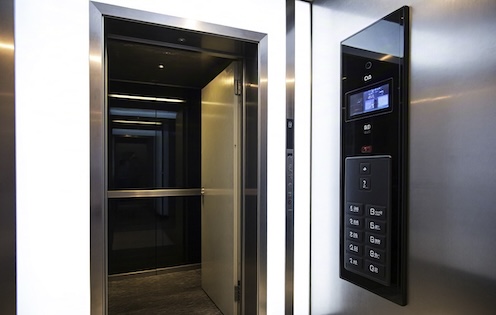
Frequent malfunctions have become a daily occurrence among hundreds of thousands of old elevators across the country. The real challenge is not just equipment aging, but the low-priced traps and regulatory gaps that pervade the transformation process.
Low price temptation and shady dealings
During the bidding process for a certain residential area, the "most cost-effective" plan was selected, but the result was cutting corners by using waste rubber for shock absorbers, shrinking steel wire ropes, and missing safety circuits. During the inspection, it was found that many renovated elevators had actual load capacities lower than the markings, and some companies even forged qualifications and used the official seal of the shell association to deal with the owners. Seemingly passing the acceptance smoothly, hidden dangers abound.
Maintenance chaos
The so-called "five-year custody" contract is actually a case of mutual blame: the manufacturer blames the property management for not cleaning up, while the property management points out that the manufacturer's oil products are of poor quality, and the relationship between the third-party testing agency and the manufacturer is ambiguous. Regulatory investigations have found that 41% of maintenance records are falsified, response times are falsely reported, and even some people intentionally create faults to cheat for parts replacement costs. A large number of personnel have not received training in IoT systems.
Homeowners save themselves
After a series of trapped accidents, the owners crowdfunded to hire independent engineers and live streamed the entire repair process; Establish a blockchain fund account and have all three parties jointly sign each expense; Introduce international standards and link maintenance quality with manufacturer brand credit. The renovation plan has been changed to "modular replacement", which only replaces the core components, saving 40% of the cost and avoiding damage to the building. The newly installed IoT system can monitor over 300 parameters in real time, with a warning accuracy rate of 91%.
Industry transformation signal
Shanghai and Shenzhen are piloting the "insurance+service" model, which is supervised and maintained by insurance companies; Hangzhou implements the "elevator code", which allows scanning the code to check the entire lifecycle data; The State Administration for Market Regulation is also drafting new regulations requiring that core components must use original factory products.
revelation
After the renovation, the elevator failure rate in the community decreased by nearly 90%, and the property fee collection rate increased to 95%. It has been proven that in projects involving life safety, the so-called "cost-effectiveness" must be based on transparency.