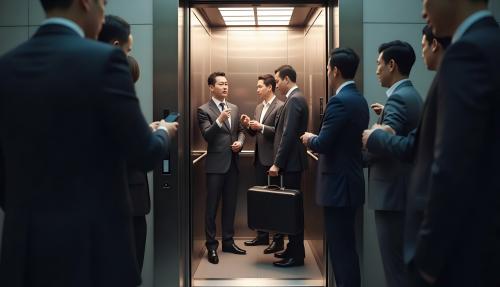
The elevator door - whether it is a sliding car door or a fixed landing door - seems to be just a "small supporting role" in the mechanical structure, but in fact it is the most vulnerable key component in the whole system. For millions of passengers every day, the door is their first and last step in contact with the elevator, and its stability directly affects people's feelings of safety and trust. Underneath that smooth stainless steel surface lies the precise collaboration between the motor, sensor, and track, and any small mistake could potentially cause the entire system to come to a standstill.
The door of 'having one's own ideas'
During the morning rush hour in Shanghai, 29 year old Zhang Wei rushed into the elevator, but was repeatedly held back by the door's hesitant opening and closing. This door seems to have emotions, "he complained. Closing the door too slowly, suddenly rebounding, or not closing it tightly at all - these have almost become common troubles for elevator users worldwide. The reasons are complex: sensor misjudgment of obstacles, hinge wear, track deviation, and even rust in humid and hot environments may cause the door to move slowly. Don't underestimate a few seconds of delay, during peak hours, it's enough to disrupt the operational order of the entire building.
Neglected hidden dangers
The main task of elevator doors is to protect passenger safety, but once they malfunction, they may become a hidden danger. An accident occurred in Beijing: an elderly woman's sleeve was caught by an unclosed door and almost fell. Although the sensor eventually responded, the momentary hesitation had already turned into danger. Many systems overly pursue speed while neglecting precision and redundancy protection mechanisms, thus amplifying risks.
The cost of neglecting maintenance
In order to save costs, property management often reduces routine inspections. Inadequate lubrication, uncalibrated sensors, and misuse of cheap parts - these small problems accumulate and ultimately lead to frequent door malfunctions. Mr. Li, a repairman, said, "Some buildings have had their doors replaced three times in five years, all because they used inferior parts." These small savings ultimately result in higher risks and larger repair bills.
Intelligent upgrade and conceptual transformation
In fact, technology has already provided a solution. Corrosion resistant materials can extend the lifespan of doors by 30% to 50%; Intelligent sensors with self-learning capabilities can automatically recognize common obstacles; The automatic lubrication system can reduce maintenance costs by 40%. But experts emphasize that true innovation is not just about technology, but also about a shift in consciousness - elevator doors are not accessories, but the core link of safety. As Zhang Wei said, "The moment the door runs smoothly, the entire journey is reassuring; the moment the door goes wrong, trust collapses