
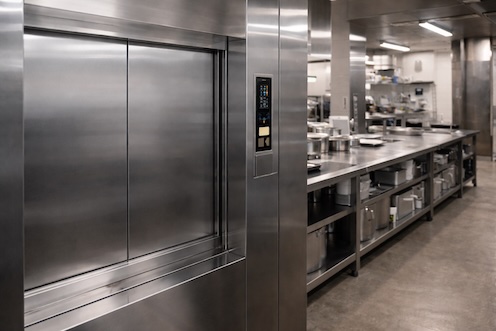
As previously discussed, when the food delivery elevator does not align with the actual usage scenario, efficiency issues often do not manifest in the early stages but are gradually amplified during daily operations. A deeper review reveals that the real impact on outcomes stems not from the quality of a single piece of equipment but from initial management decisions and process design.
Management blind spots behind equipment issues
Many catering projects consider the food delivery elevator as "auxiliary equipment" during the preparation phase, with procurement decisions often focusing solely on price and delivery time while neglecting dish output rhythm, tray dimensions, and peak frequency, leading to a disconnect between equipment selection and actual operations.
Process fragmentation amplifies operational risks
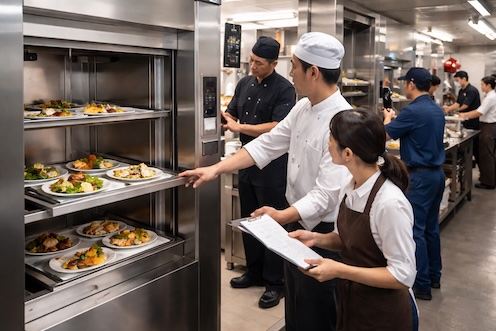
After being put into operation, the kitchen, front hall, and maintenance team operated in isolation. In the event of elevator malfunctions, slow response times and unclear responsibilities impacted meal preparation efficiency, thereby reducing turnover rates and customer satisfaction, leading to a continuous amplification of the issues.
Management-oriented solution approach
An increasing number of established catering brands are adjusting their strategies:
Introducing multi-department participation in evaluations, incorporating elevator operational efficiency into performance metrics, and reducing long-term risks through standardized maintenance procedures. Evidence has shown that optimized management is more effective than frequent equipment replacements.
Integrate elevators into the operational system
The dish-passing elevator is part of the operational system, not a one-time-use device. If you are preparing a catering project or facing efficiency issues, feel free to contact us. Proactive professional solutions can often prevent costly post-event expenses.