
As mentioned in the previous article, technological advancements in elevators within old factory renovation projects can significantly enhance transportation efficiency (linkable to the preceding text). However, beyond the equipment itself, management decisions and operational processes are equally critical factors determining the success of such projects.
Management decision-making flaws lead to inefficiency
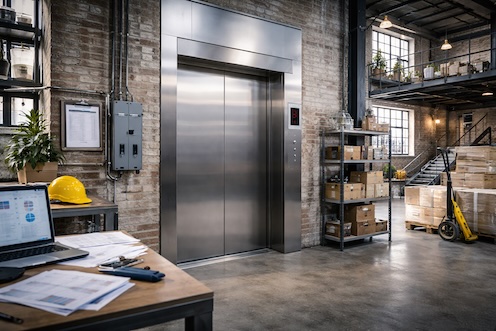
Many enterprises view elevators merely as transport tools during the initial project phase, overlooking peak operational demands, cargo dimensions, and usage frequency. Procurement often prioritizes price and brand without considering practical usage scenarios, resulting in suboptimal operational efficiency despite the equipment's good performance.
Fragmented processes amplify potential risks
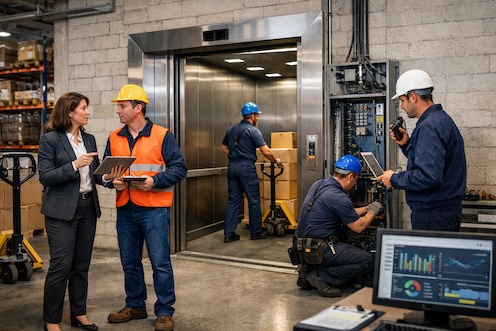
During project operations, there is a lack of coordination between the process department, warehousing department, and maintenance team. When elevator malfunctions occur, delayed responses and unclear responsibilities directly impact logistics speed and customer experience, creating a vicious cycle that ultimately reduces overall business revenue.
Improvements brought by management optimization
Mature enterprises have begun adopting a multi-departmental evaluation model, incorporating elevator operations into performance assessments and establishing standardized maintenance procedures. Through data monitoring and process optimization, equipment utilization has significantly improved, proving more cost-effective and efficient than frequent equipment replacements.
Integrate elevators into the operational system
Elevators are not just transportation tools but also an integral part of the operational chain. For enterprises planning factory renovations or logistics optimization, promptly engaging professional suppliers to develop comprehensive solutions can effectively reduce post-construction cost risks while enhancing efficiency and customer satisfaction.