
Building on the previous article's analysis of the importance of stage elevators as "invisible actors" in performances, practical projects reveal that beyond equipment performance, the absence of safety management and operational procedures often amplifies potential risks.
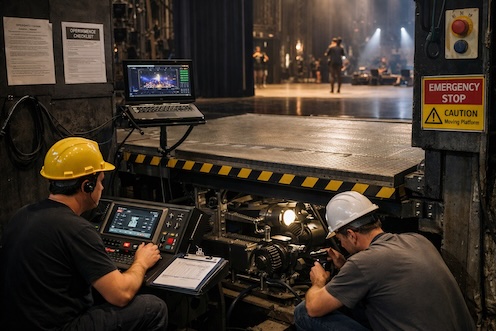
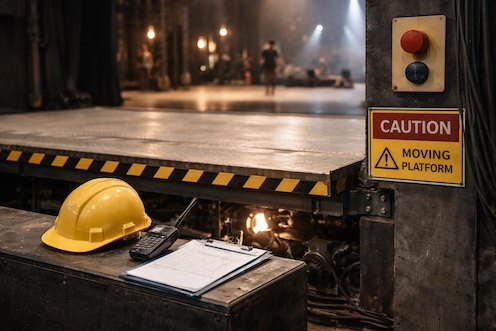
Missing operational procedures lead to potential hazards
The operation of many theater elevating platforms is controlled by a small number of technicians, lacking standardized procedures. The coordination between stage scenery, lighting, sound, and elevating platforms is insufficient, which may lead to accidents and affect performance safety and audience experience in case of operational errors or emergency shutdowns.
Inadequate maintenance and management
Some projects adopt the minimum frequency of maintenance, relying solely on routine inspections by manufacturers. Data shows that over 40% of stage lifting equipment failures stem from inadequate daily maintenance, including uneven lubrication, sensor drift, and safety brake failures.
Systematic Safety Management Program
Mature theater case studies demonstrate that establishing standard operating manuals, training dedicated operators, and implementing remote monitoring and emergency protocols can significantly enhance equipment safety and reliability. Integrating equipment into the overall stage system management and enabling coordination with lighting, scenery, and sound systems can reduce accident risks and optimize performance processes.
If you are planning or using stage lifting equipment, it is recommended to evaluate the operation and maintenance plan at the system level. When necessary, you may also contact us to provide targeted safety management and optimization suggestions based on the actual stage environment and performance requirements.