
In the previous article, we mentioned that the noise, limited space, and lagging after-sales problems exposed by household elevators after they are put into use are often not due to defects in the equipment itself, but rather stem from judgment biases in the early selection stage. Following this thread, it is necessary to further return to the earlier source - the design and decision-making stage.
Satisfying the parameters does not necessarily mean it is suitable for families
Many household elevators are "fully compliant" in terms of technical parameters, with load capacity, size, and power all meeting standards. However, these indicators are mostly based on a single operating condition and have not been matched and designed with specific household structures, floor heights, and usage frequencies. The result is that the paper is qualified, but it is difficult to adapt to real-life scenarios.
Structural layout precedes equipment selection
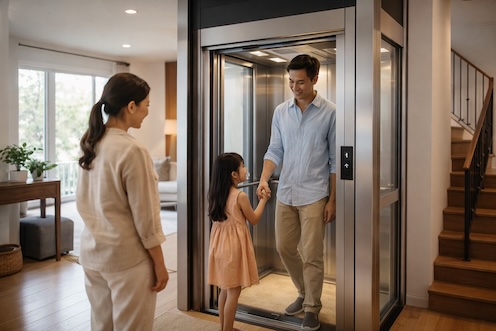
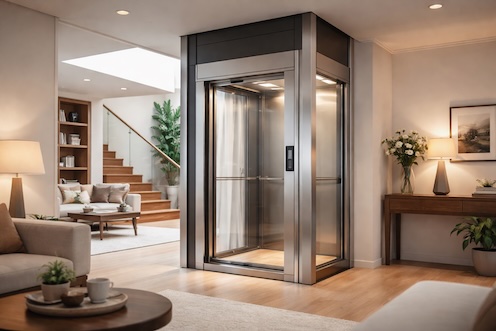
In residential renovation, elevators are often seen as "rear equipment", with room functions first determined and then forced into the shaft. This inverted logic can easily lead to elevators being located adjacent to quiet spaces such as bedrooms and study rooms, laying hidden dangers for later noise and vibration, which is highly related to the nighttime noise problem mentioned earlier.
Ignore lifecycle cost assessment
Many decisions only focus on the initial purchase price, but overlook the maintenance, parts replacement, and upgrade adaptation costs for the next decade or more. Once non mainstream systems or closed solutions are chosen, every small malfunction in the later stage will be amplified into long-term elevator shutdowns and high expenses.
From "Equipment Selection" to "System Planning"
More and more mature cases have shown that incorporating household elevators into the overall system planning of residential buildings, synchronously designing from dimensions such as flow lines, functional zoning, and maintenance accessibility, can actually reduce various "unexpected problems" during the use phase and avoid repeated verification of the detours already taken.
If you are planning a home elevator or have encountered similar problems during use, you may want to re evaluate the relevant configuration from the perspective of overall plan and long-term use. When necessary, you can also communicate with us to obtain professional advice that is more in line with actual usage scenarios.