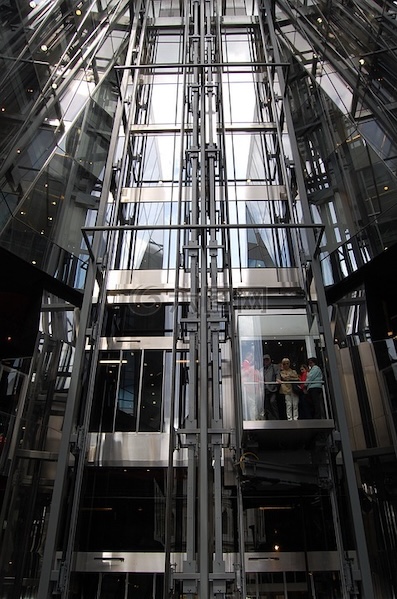
In modern high-rise and mixed use buildings, property managers often choose to install elevators from different brands in order to control costs, balance design aesthetics, and maintain supplier relationships. On the surface, this seems to increase flexibility, but in reality it brings hidden problems: the decentralized maintenance system makes the so-called 'smart elevator' a difficult operation and maintenance problem.
The complexity of maintaining coordination
Taking a 20 story office building as an example, the lobby uses Otis elevator, the residential floors use Schindler, and the garage uses local brands. Each brand has its own independent platform: Otis uses Gen2 Connect, Schindler uses Schindler Ahead, and local brands still rely on paper records and are processed through third-party contractors. The property management team has to manage three systems, three processes, and three technical standards simultaneously, making daily monitoring and maintenance tedious and time-consuming.
Delay and high cost
There has been a case where Schindler elevator produced abnormal noise, but the local contractor did not update the system for several weeks; Meanwhile, the vibration anomaly alarm of Otis elevator two days ago was ignored. By the time the technicians arrived, the problem had escalated to a motor malfunction, with emergency repairs costing up to $12000. The tenant was forced to shut down the elevator for 12 hours.
Inconsistent data and compliance risks
Even daily maintenance is extremely complex: technicians need to switch between different platforms, verify repair records, warranty status, and safety standards. Inconsistent data formats, such as differences between 'last maintenance' and 'pending inspection date', may result in missing inspection deadlines and increase compliance and operational risks.
Tenant dissatisfaction
The direct consequence of a decentralized system is that residents are affected. A high-rise resident in Boston reported elevator malfunctions three times, each time handled by a different company without anyone taking responsibility. According to a survey conducted in 2023, 68% of tenants believe that "unreliable elevators" are the main reason they avoid certain properties, leading to a significant decrease in trust.
Root cause: Lack of standardization
The elevator industry lacks a unified data standard. Unlike smartphones, elevator systems are independent and manufacturers place more emphasis on their own platforms rather than interoperability. The property management either invests in expensive middleware integration systems or accepts the costs caused by operational inefficiencies.
Conclusion: System integration determines reliability
Before a unified protocol is popularized in the industry, multi brand elevators will still consume resources and increase friction. The reliability of the so-called "smart elevator" ultimately depends on the integration and management level of the underlying system.