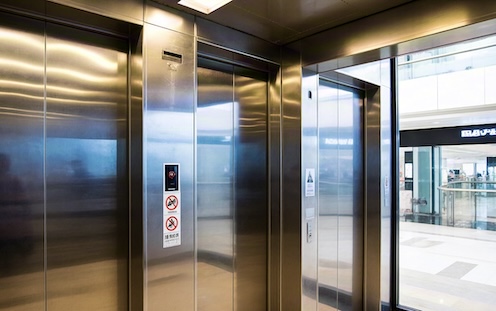
Elevators are the "vertical arteries" of modern cities, carrying people's safety and travel experience. A 2022 survey revealed an interesting contrast — while nearly all residents (96.2%) were generally satisfied with elevator performance, a large majority (87.6%) still pointed out issues such as unstable signals, unpleasant odors, and poor cleanliness. The findings suggest that even though elevators function reliably, the finer details of the riding experience remain far from perfect.
Safety standards and daily maintenance
According to national standards, elevators must be equipped with core devices such as speed limiters, safety clamps, buffers, and floor door locks, and the brakes must be replaced when they wear out more than a quarter of their original thickness. However, in some old communities, parts replacement lags behind, incidents of trapped people occur frequently, and even maintenance cycles can last up to half a month. The fact shows that elevator safety not only depends on technical standards, but also on professional and timely maintenance and management.
Ride Comfort and Safety Awareness
The comfort of an elevator ride depends on both its condition and how it’s used. Many older models exceed the 55-decibel noise limit, shaking and rattling due to wear. Yet, passenger habits—jumping, leaning, or prying doors—often pose greater risks than machines themselves. True safety comes not just from better equipment, but from shared awareness and responsible behavior inside every ride.
Emergency response and intelligent upgrade
In case of an elevator failure, staying calm and seeking help through alarms or calls is far safer than forcing the doors. Regular system checks and visible rescue contacts greatly speed up response. With AI and remote monitoring, modern elevators can now detect faults days in advance, preventing danger before it happens.
Integrating intelligence and humanization
The new generation of elevators emphasizes comfort and humanity. AI algorithms can reduce jitter and optimize the start stop experience; Maintaining archives and conducting third-party inspections reduced the failure rate by 60%; Add signal amplifiers, silent guide shoes, and LED lighting in the design to make elevator rides quieter and more reassuring.
Conclusion: Rise in Temperature
Elevators are not only cold mechanical devices, but also temperature transmitters of urban civilization. From mechanical drive to intelligent interconnection, every lift carries safety, efficiency, and trust. With the development of technology, elevators will become smarter and warmer, becoming true "vertical partners" who understand people.